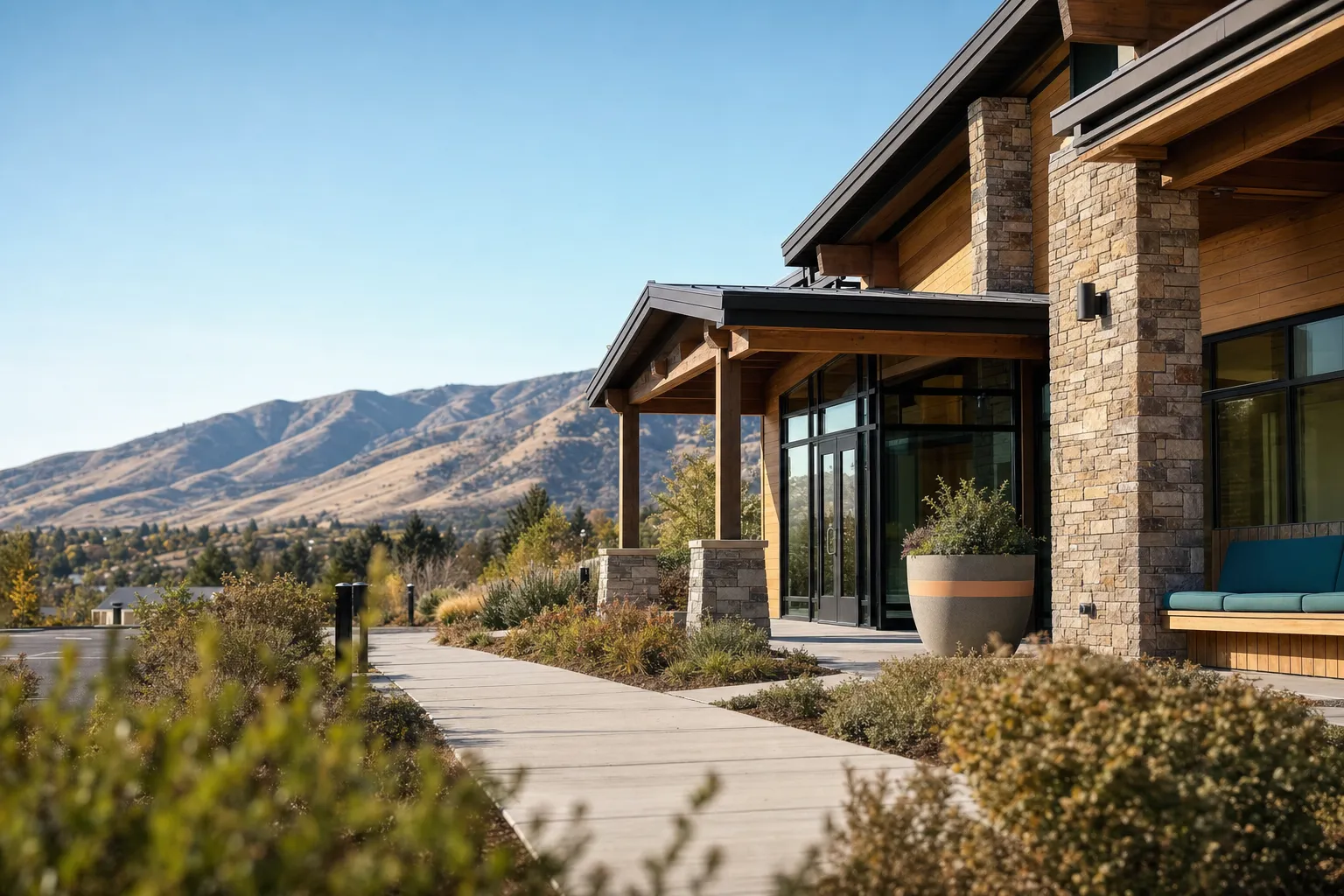
We make access and navigation for mental health therapy straightforward for people in Clearfield, Utah. From first contact through ongoing care we offer clear pathways, multiple entry points, and help with the practical steps that often block people from getting help.
How people usually get started with our services
Most clients first reach out by phone or the online contact form listed on our site, and we follow with a brief intake call to identify needs and immediate concerns. We use that call to explain options such as individual therapy, couples therapy, family therapy and specialized services like equine therapy, and to match you with a clinician whose experience fits your goals.
For Clearfield residents we describe practical options up front. If in person visits are difficult, we offer teletherapy when clinically appropriate. If you are calling on behalf of a child, a Veteran, or someone who needs LGBTQ+ affirming care, we clarify those needs early so we can make a suitable referral or plan.
What to expect at first contact and during intake
We aim to make the first contact calm and efficient. During the initial intake you can expect a brief clinical screen, questions about immediate safety, and information about logistics. We ask about current symptoms, prior treatment, medications if applicable, and any urgent stressors that need attention.
Key parts of the intake
- A safety check to identify any immediate risk
- A clinical snapshot of symptoms and history
- Practical scheduling and format options, including teletherapy
- An explanation of confidentiality and how records are handled
We document treatment goals collaboratively, so clients leave the intake with a clear next step. Our clinicians are certified in Accelerated Resolution Therapy and draw on evidence informed approaches to tailor the first plan of care.
How scheduling and teletherapy navigation works
Scheduling is designed to reduce friction. We offer weekday daytime appointments and some evening slots, and we try to offer continuity with the same clinician when possible. If you prefer remote care we explain the technical requirements and privacy protections before the first teletherapy session.
Teletherapy is appropriate for many diagnoses and for people who live in Clearfield but travel or have mobility challenges. We follow professional guidelines for telepsychology to maintain clinical quality and client confidentiality.
Pro tip: If a remote session is your preference, tell us during the first intake so we can reserve a clinician with teletherapy experience and confirm your device and connection details before the appointment.
How we help with referrals and coordinating care
Many clients arrive with referrals from primary care, school counselors, or community agencies. We accept those referrals, and with your permission we coordinate with other providers to reduce duplication and improve continuity.
Coordination may include sharing summary notes with your primary care clinician, consulting with school staff when the primary concern is a child, or linking Veterans to local Veteran resources. We always ask for written permission before sharing clinical information.
Insurance, payment and practical navigation
We explain insurance and payment options at intake. We do not make clinical decisions based on coverage, but we do help clients understand whether a proposed plan is likely to be covered and what options exist if it is not.
Because coverage varies, we guide clients through common scenarios, such as using out of network benefits, coordinating with employer assistance programs, or arranging for school based support when services involve children. We also discuss sliding scale options when they are available and appropriate for the clinical plan.
Accessibility, cultural competence and special populations
Access is more than hours and location. In Clearfield we work to reduce barriers related to identity, mobility and life stage. Our clinicians have experience with LGBTQ+ adults, Veterans, parents and children, and families. We aim to create an environment where cultural, gender and family differences are respected and understood.
If you identify as LGBTQ+ we will discuss gender affirming language and care preferences, and if you are a Veteran we will connect treatment to military cultural considerations. For children and teens we coordinate with schools and caregivers as appropriate to create safe, effective plans.
Common access barriers and how we address them
People in Clearfield often tell us that the main barriers are not knowing where to start, concerns about confidentiality, scheduling conflicts, transportation, and uncertainty about whether therapy will help. We address each barrier directly.
- Not sure where to start, we offer a short intake to identify the right service
- Confidentiality concerns, we explain limits of confidentiality and record keeping
- Scheduling conflicts, we discuss teletherapy and flexible slots
- Transportation issues, we explain remote care options and local community supports
Watch out: If you or someone you know is in immediate danger or thinking of harming themselves, call emergency services or use local crisis resources right away. Intake and routine appointments are not appropriate for acute crises.
How we tailor access for specific services
Access pathways differ a bit by service. For example, starting children therapy often involves permission from guardians and coordination with schools. Beginning LGBTQ+ therapy may prioritize gender affirming practices and privacy concerns. When equine therapy is appropriate we explain location, physical readiness, and what an equine session looks like, and we arrange a preparatory meeting.
We document these differences clearly so families, Veterans and individuals know what to expect before the first session.
Local resources and when we recommend them
Access is also community dependent. For Utah level resources on behavioral health you can review the Utah Division of Substance Abuse and Mental Health for statewide programs and crisis lines. For background on mental health as a concept see the general mental health overview on Wikipedia. For practice standards related to remote care we follow guidance from the American Psychological Association on telepsychology.
When community level supports are appropriate we will give specific referrals to school counselors, Veteran services, or crisis centers and help you connect in a way that preserves confidentiality and continuity of care.
What good access looks like
Good access means predictable next steps, timely appointments, clear communication about costs and privacy, and easy ways to reach support between sessions when clinically appropriate. It also means cultural competence, and a plan that fits your life and goals.
Good access checklist
- Clear first step and intake process
- Options for in person and remote care
- Coordination with other providers on request
- Privacy and confidentiality explained plainly
- Clinician match to the presenting concern and identity
Steps to get started in Clearfield
- Decide which service fits your needs. Consider individual therapy, couples therapy, children therapy or specialty services like equine therapy.
- Contact us to request an intake. Tell us about timing, teletherapy preferences, and any identity or stage specific needs.
- Complete the brief intake screening. We will review safety, symptoms, and immediate needs and suggest the next clinical step.
- Agree on a plan. We document goals, frequency and format, and schedule the first therapeutic session.
Key takeaway
Access and navigation are intentional parts of care. We make starting therapy in Clearfield simpler by offering clear intake steps, teletherapy, coordination with community resources, and attention to identity and life stage so you spend less time wondering what to do next and more time getting help that fits.
Frequently asked questions
How long does the intake take?
The intake call usually takes 15 to 30 minutes. If there are complex needs or immediate safety concerns we may extend that time to cover necessary information and next steps.
Can I start with teletherapy if I live in Clearfield?
Yes. Teletherapy is often available and appropriate for many concerns. We review technology needs and privacy protections before the first remote session, and we will suggest an in person visit if clinical factors make that preferable.
Do you coordinate care with schools or primary care?
With written permission we coordinate with schools, primary care clinicians and other providers to improve continuity. For children and teens we typically involve caregivers in planning and may consult school staff when relevant.
What if I am a Veteran or part of the LGBTQ+ community?
We have clinicians experienced in Veteran therapy and LGBTQ+ therapy. During intake we identify specific cultural or identity factors that matter to you and match you to a clinician with the right experience.
What if I need help right away?
If you need immediate help or are in crisis, use local emergency services or crisis resources. Routine intake and standard appointments are not set up to replace urgent crisis care.
Find more information and directions
Read our topic page about Access And Navigation, learn about our core service Mental Health Therapy, or learn about our presence in the area on the Ogden location page Ogden Utah. For reviews and directions, see our Google Business Profile.
Psychological Preventative Health, PLLC provides compassionate, person centered mental health care for people facing anxiety, depression, relationship struggles, trauma or a sense of being stuck. Our clinicians focus on practical coping skills, emotional healing and restoring overall well being.