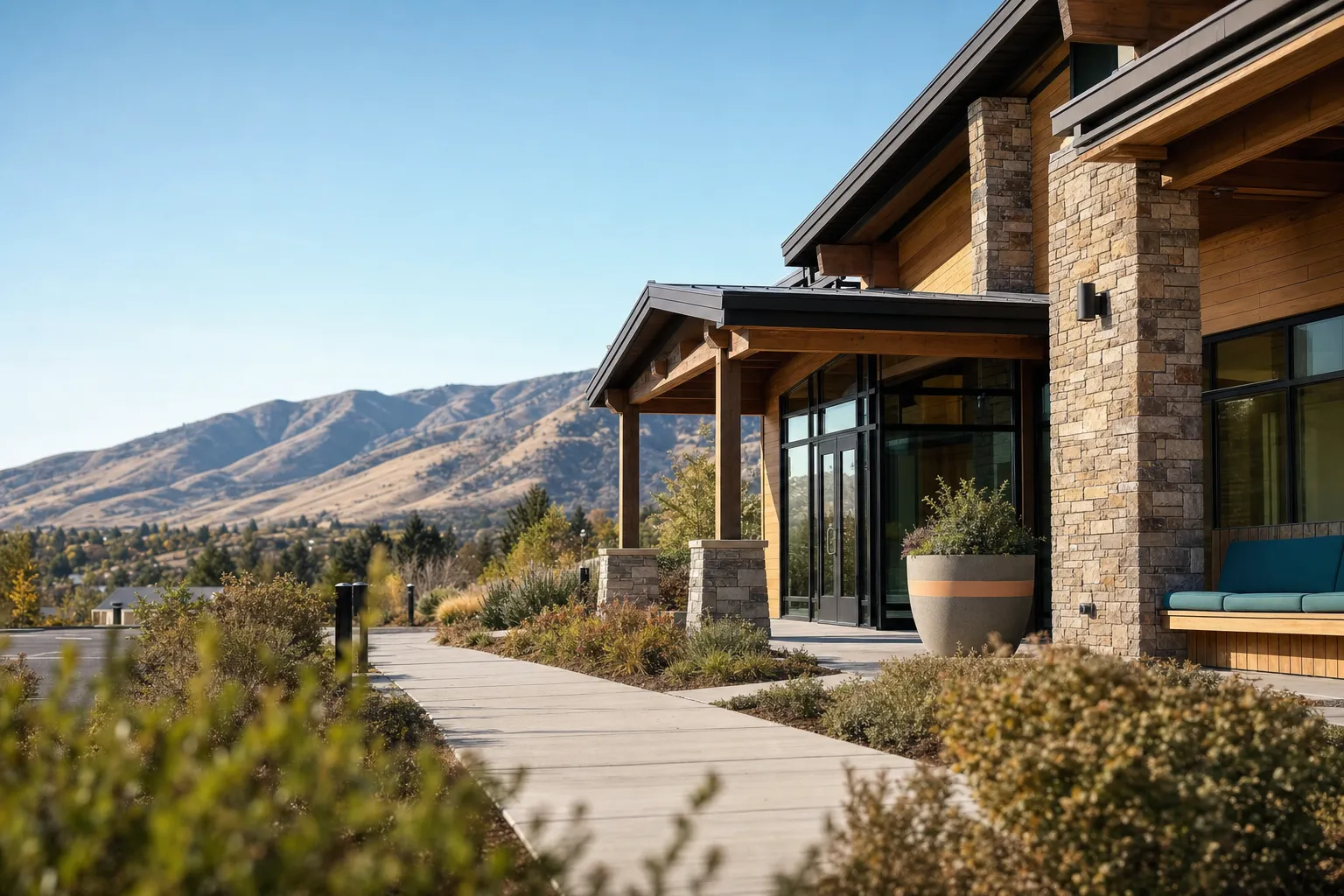
Couples therapy should be tailored in North Ogden, Utah because local culture, family expectations, the presence of veterans, and common stressors change how communication patterns develop and respond to treatment. We adapt our approach to match those patterns so therapy addresses what is actually happening between partners, not a generic checklist.
What we mean by communication patterns
When we talk about communication patterns we mean the repeated ways partners interact under stress and during normal exchange. Patterns include how couples show emotion, resolve conflict, ask for support, and repair after setbacks. Patterns can be constructive, neutral, or harmful, and they often reflect individual histories, attachment styles, cultural norms and current life pressures.
Couples therapy in North Ogden needs to differ because local life shapes the most common communication patterns we see, and effective treatment targets those patterns directly, while respecting cultural and family influences. In practice, that means we evaluate the interaction cycle, consider local stressors such as military transition, parenting demands or regional cultural expectations, and choose techniques that fit the couple, such as emotionally focused interventions, skills training, or trauma informed work.
Why this matters locally
Local factors change what couples bring to therapy. We see families from Ogden, Ogden North, Salt Lake and Logan who share some regional stresses and who also differ in resources, beliefs and supports. For example, military veterans in our area may present with trauma related triggers that alter communication. Parents juggling work and childcare bring different rhythms and expectations than couples without children.
Understanding those local realities makes therapy more relevant, quicker to produce change, and less likely to create conflict by imposing strategies that feel foreign or impractical in daily life.
We tailor couples work so it fits how people here live, how they were raised, and the support they actually have nearby.
Key concepts to understand
- Attachment patterns. Secure, anxious and avoidant patterns shape how partners ask for and give comfort.
- Conflict cycles. Demand and withdrawal, escalation, and stonewalling are common cycles that maintain problems.
- Repair attempts. Small efforts to apologize, soothe, or clarify break negative cycles and rebuild trust.
- Contextual stressors. Job changes, parenting, financial strain, military service and community expectations change how couples communicate.
- Trauma sensitivity. Past trauma alters triggers and safety needs during conflict.
- Strengths based planning. We map what is already working and use those strengths to scaffold change.
How we adapt therapy for different communication patterns
We start with assessment, then choose interventions influenced by the couple s pattern, goals and context. Examples of common adaptations we use include:
- High reactivity. When one or both partners escalate quickly, we teach grounding skills, slowing routines and short turn taking to reduce arousal before working on content.
- Withdrawal patterns. For couples where one partner shuts down, we focus on building safety for sharing small, low risk disclosures and on increasing reliable invitations to engage.
- Parenting related drift. When communication breaks down around co parenting, we blend couples work with practical boundary setting and planning around routines and responsibilities.
- Veteran or trauma histories. We integrate trauma informed techniques and, when appropriate, evidence informed modalities such as Accelerated Resolution Therapy to address memory based triggers while protecting relationship safety.
- Cultural and faith considerations. We respect beliefs that shape roles and expectations, and we adapt language and homework so interventions make sense within those frameworks.
These choices are clinical decisions we make after listening, not checklists you must follow alone. Our work is person centered, and we adapt methods so they fit you, not the other way around.
Common signs that therapy needs to be customized
When to expect a tailored approach
- Persistent cycles of the same fight without resolution.
- One partner avoids, withdraws or shuts down during conflict.
- Triggers tied to past trauma, deployment, or significant loss.
- Mismatched expectations about parenting, finances or roles.
- Communication breaks down around intimacy or desire.
When these signs are present, generic communication skills may help a little, but targeted work that addresses the underlying pattern is usually more effective.
Pro tip: Small changes in how a partner asks for support, or a single successful repair after a fight, often break a cycle faster than long lectures about communication.
Choices we make in sessions and why
Therapy requires choices about pacing, techniques and goals. We explain these choices so couples can agree on a path forward. Typical decisions include:
- Assessment. We map the interaction cycle and identify triggers and safe moments for change.
- Primary goal. We decide whether the first priority is safety, reducing reactivity, rebuilding trust, improving intimacy or improving problem solving.
- Technique selection. We pick evidence informed interventions that fit the couple s pattern, such as emotion focused therapy, skills training, or trauma sensitive work like Accelerated Resolution Therapy when appropriate.
- Homework and practice. We set small experiments that fit daily life here in North Ogden, such as brief check ins or specific repair phrases that respect local communication styles.
Related services and when they help
Couples work often intersects with other services. We coordinate care or refer when a different focus will help the relationship progress.
- Individual Therapy: When one partner needs individual trauma work or mood management to be able to engage in couples sessions.
- Family Therapy: When communication patterns involve children, stepfamilies or intergenerational issues.
- Equine Therapy: For clients who respond better to experiential approaches and who benefit from nonverbal interventions that reduce anxiety and improve attunement.
We also draw on topics such as Trauma Informed Care and Evidence Based Therapies to guide method choice.
How the local picture shapes treatment planning
Population trends and local resources influence planning. For example, community studies show that areas with larger veteran populations often need clinicians who can integrate military cultural competence and trauma sensitivity. For local demographic context, see U.S. Census Bureau QuickFacts for Ogden city, Utah and community mental health fundamentals at the Centers for Disease Control and Prevention.
We match session frequency, homework and the mix of skill building and emotion work to what is practical for couples who live and work in the region, so therapy can be sustained and realistic.
Practical examples of tailoring therapy
Two brief scenarios illustrate how the same diagnosis can need different approaches:
- Scenario A, new parents in Ogden North. Fatigue and role confusion increase conflict. We emphasize short skills, clear parenting role agreements, and low effort repairs to prevent escalation.
- Scenario B, veteran with PTSD-related triggers. Conflict centers on sudden withdrawal or hypervigilance. We prioritize safety, trauma informed pacing, and targeted memory processing techniques before deeper intimacy work.
Helpful resources and evidence
We recommend reliable resources that explain why tailoring matters. The U.S. Census Bureau offers local demographic context, which helps clinicians plan outreach and scheduling. The Centers for Disease Control and Prevention provides overviews of mental health fundamentals and stress related impacts on relationships.
Internally, we use topic pages to explain therapy choices in more detail, including our communication patterns resource and our Couples Therapy service description.
Checklist for choosing the right couples approach
Quick guide
- Map the repeated interaction cycle before picking techniques.
- Identify safety needs and trauma history early.
- Prioritize small, practical repairs that fit daily life.
- Match homework to the couple s schedule and cultural expectations.
- Choose evidence informed methods that fit the couple s goals and readiness.
Key takeaway
Key takeaway
Communication patterns are shaped by local life. Tailoring couples therapy to North Ogden s community context, family structures and stressors makes treatment more relevant and effective. We listen first, assess the pattern, and choose proven methods that fit your goals and daily life.
Frequently asked questions
How quickly do communication changes appear in therapy?
It depends on the pattern and the couple s consistency with practice. Some couples see small improvements in a few sessions when they learn one effective repair strategy. Deeper shifts in cycles and attachment often take several months of focused work.
Do you use the same methods for military veterans and civilian couples?
We use the same evidence informed frameworks, but we adapt pacing, language and safety planning for veterans. Trauma sensitivity and cultural competence for military experience are part of how we tailor treatment.
What if one partner does not want therapy?
We respect that decision and offer individual therapy to the willing partner to support coping and to learn strategies that can influence the relationship indirectly. When both partners choose to engage, couples work is usually more effective.
Can communication skills alone fix long standing patterns?
Skills are necessary but often not sufficient. Long standing patterns usually involve emotion regulation, attachment needs or unresolved trauma. Addressing those underlying issues alongside skills produces more durable change.
Learn more and check our presence in the community
Read client reviews and get directions on our Google Business Profile, and explore related resources on our site to learn how we approach communication patterns in couples work.